

The summer of 2026 is in full swing, and with it returns a seasonal plague dreaded by all those who frequent the green spaces of Île-de-France. Whether you spend your weekends hiking in the Fontainebleau forest, walking your dogs in Rambouillet, or simply mowing your lawn in Senart, you may have noticed the appearance of small red bumps, extremely itchy, often located at the ankles, wrists, or body folds. These are neither fleas nor mosquitoes, but harvest mites.
Technically called Trombicula autumnalis, these tiny mites cause what is known as trombiculosis. While they do not transmit serious diseases in France, their bites trigger an intense inflammatory reaction. According to recommendations from Vidal and prevention advice from Ameli, managing these pests relies primarily on avoidance and the symptomatic treatment of skin lesions. Here is everything you need to know to have a peaceful August, far from the itching.
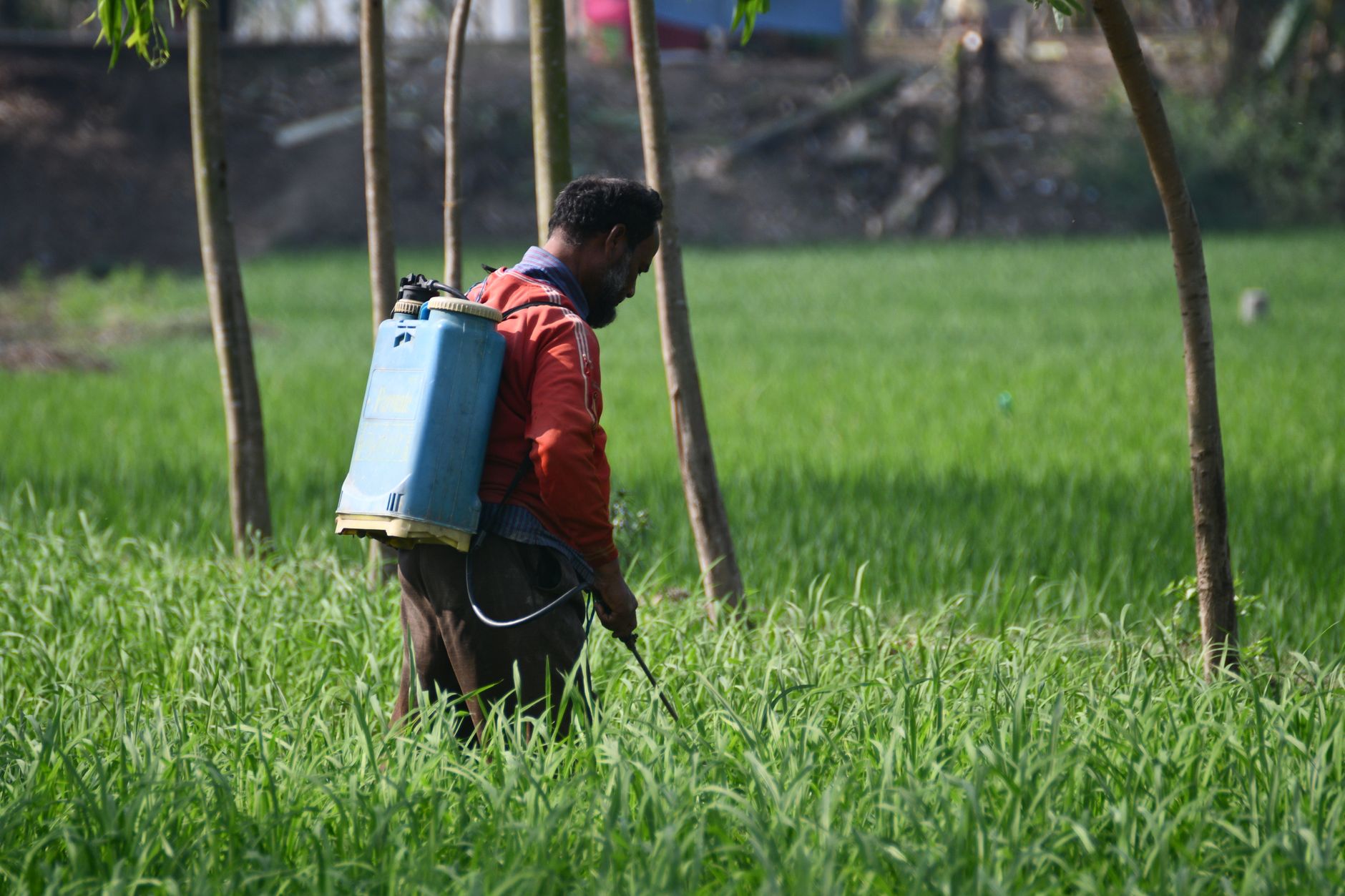 Tall grass and risk of harvest mites
What is a Harvest Mite? (It is not an insect)
A harvest mite is not an insect, but a mite from the Trombiculidae family. They are also called "chiggers" due to their orange color and massive presence during the grape harvest period.
Contrary to popular belief, the harvest mite does not "bite" to feed on blood like the tiger mosquito. Only the larva is parasitic. It attaches to the host's skin (human or animal) and injects a digestive enzyme that liquefies epidermal cells to feed on them. It is this chemical substance that causes the allergic reaction and characteristic itching.
Did you know? The harvest mite is practically invisible to the naked eye. Its presence is only noticed once the inflammatory reaction begins, usually a few hours after exposure. Once full, the larva detaches on its own and falls back to the ground to continue its cycle.
Why is Summer 2026 Particularly Favorable?
Île-de-France is experiencing weather conditions this summer that favor the explosion of Trombicula autumnalis populations. These mites particularly love damp and shaded areas but need heat for their development.
- High hygrometry: Intermittent rains in early summer have maintained an optimal humidity level in the forest litter and tall grasses.
- Stable temperatures: The constant heat of July and August accelerates the life cycle of the larvae.
- Frequency of green space visits: With urban heatwaves, residents of the Paris region are flocking to the Senart massifs or the undergrowth of Fontainebleau, increasing the points of contact between humans and the parasite.
Recognizing and Treating Harvest Mite Bites
Lesions caused by harvest mites are very specific. They appear as very dense, often grouped small red papules (bumps). They appear primarily in areas where clothing tightens against the skin:
- The elastic of socks (ankles).
- The waistband of pants (waist).
- The inside of the knees and the crooks of the elbows.
- Friction areas of underwear.
How to relieve the itching?
Once the bite is established, the goal is to limit scratching to avoid bacterial superinfection.
- Immediate cleaning: Wash the area with soap and water to remove any irritating residue.
- Soothing: Applying a soothing cream or a refreshing gel can help. For strong reactions, the use of a mild corticosteroid cream (upon medical or pharmaceutical advice) is often recommended.
- Fighting pruritus: Applying a cold compress can reduce the urge to scratch. For children, using a mild, neutral soap is essential to avoid further irritating the skin.
Preventing Infestation: The Right Reflexes
The best defense against harvest mites remains prevention. Since these mites wait patiently on blades of grass, the goal is to limit access to the skin.
In the garden and in the forest
- Avoid tall grass: Never sit directly on the ground in unmown grass. Always use a tablecloth or a thick ground mat for your picnics.
- Wear covering clothes: Long pants and high socks are your best allies. For maximum protection, tuck the bottom of your pants into your socks (a common practice among experienced hikers).
- Choice of textiles: Favor tight-weave fabrics. Wide meshes let the larvae through. Using technical clothing, such as lightweight hiking pants, allows you to stay cool while remaining protected.
Chemical protection
Using repellents can be useful, although their effectiveness against mites is lower than against flying insects. Products based on DEET or permethrin (used to treat clothing) are the most cited. However, ANSES reminds us of the importance of using these products in moderation, especially for young children.
To protect your pets, who are very sensitive to harvest mites, applying a veterinary antiparasitic product is indispensable before any forest outing. An effective antiparasitic collar can considerably limit infestations on your dogs.
Garden Maintenance to Reduce Risks
If you own a garden in Île-de-France, you can act on the environment to make your land less attractive to harvest mites:
- Regular mowing: Harvest mites hate direct sunlight and dryness. By mowing your lawn short, you remove their habitat and expose the larvae to UV rays, which dehydrates them.
- Border management: Weed the edges of fences and hedge areas where moisture stagnates.
- Soil aeration: Avoid the accumulation of dead leaves or compost piles too close to relaxation areas.
To make this maintenance effortless, using a high-performance lawn mower is essential to maintain short and healthy grass throughout the summer.
When to Worry?
Although trombiculosis is benign, some complications can occur:
- Superinfection: By scratching, micro-lesions are created where bacteria (staphylococci) can enter. If the bump becomes hot, purulent, or if a red streak appears, consult a doctor.
- Generalized allergic reaction: In rare cases, a person may have a systemic reaction. An antihistamine may then be prescribed by a healthcare professional.
In summary, the harvest mite is the price to pay for enjoying the natural richness of our forests and gardens in summer. By adopting simple steps — covering clothes, regular mowing, and rigorous hygiene — you can drastically limit these inconveniences and fully enjoy the 2026 season.
Got a pest problem?
Our certified technicians are available 7 days a week. Free quote within 24h.