

In short
Cleaning between guests removes visible dirt, not pests and not the micro-organisms living on high-touch points and in service areas. An effective turnover protocol works on three levels: cleaning at every checkout, targeted disinfection of touch points, and scheduled professional intervention on the risk areas (bedding, kitchen, drains, bin room).
Many hosts equate a clean property with what a guest sees on arrival: clear floors, wiped surfaces, pressed sheets. That is the criterion behind your cleanliness score, and it matters. But a visually immaculate flat can perfectly well hide a cockroach colony behind the dishwasher, bed bugs in a divan base or pantry moths in a cupboard left by the previous occupant.
The difference between cleaning, disinfecting and pest control is not a matter of vocabulary. Cleaning removes soiling. Disinfection lowers the microbial load on an already clean surface. Pest control eliminates an established population. All three answer different risks and none replaces the other two.
The three levels of a clean turnover
The first level is the checkout clean: floors, surfaces, bathrooms, dishes, bins emptied and taken out, all linen changed. It happens at every changeover and drives your score directly.
The second level is disinfecting the touch points, often skipped because it is invisible: handles, switches, remote controls, taps, key box, flush buttons, oven and fridge handles. These are the most handled and least cleaned surfaces in the property.
The third level is pest prevention, which is no longer a cleaning-team job but a professional one: checking the bedding, treating water points and traps, inspecting ducts and voids, securing the bin room, discreet baiting in the kitchen.
The areas an express clean never reaches
A turnover happens in two to three hours. In that time some areas are structurally skipped — and those are exactly where pests settle.
They do not need daily attention, but they do need scheduled checks, monthly or quarterly depending on your occupancy. That is precisely what a prevention contract covers.
- Under and behind large appliances (fridge, dishwasher, oven): heat, damp and crumbs, the German cockroach's ideal habitat.
- Traps and waste pipes, the classic route cockroaches use between flats.
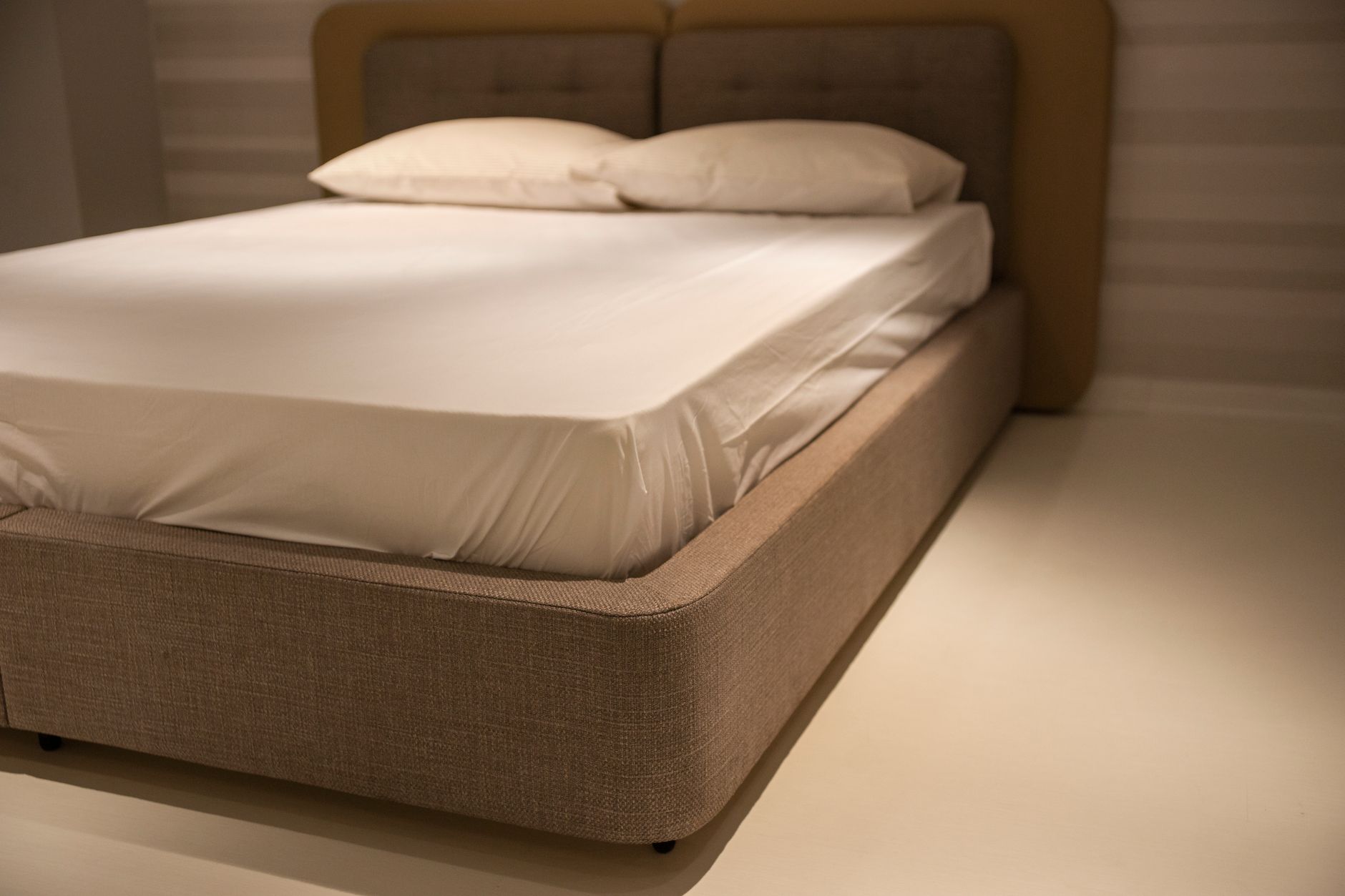
- Bed bases, headboards and sofa beds, never dismantled during a routine clean.
- The bin room and the building's containers, the main source of rodents.
- Dry-goods cupboards, where pantry moths arrive inside a packet bought by a guest.
- Service ducts, false ceilings and pipe runs, the motorways of older buildings.
Disinfection: which products, which precautions
Effective disinfection assumes a surface that has already been cleaned: a disinfectant applied to soiling is largely neutralised. It also assumes respecting the contact time the manufacturer specifies — wiping it off straight away means you have disinfected nothing.
For accommodation open to the public, standards-compliant products (EN bactericidal and virucidal standards) beat homemade mixtures. Watch out for dangerous combinations too: never mix bleach with acidic or ammonia-based products. Finally, a treated property must be aired before the next guest arrives.
When to call a professional
Three situations justify immediate intervention: any sign of a pest (droppings, shed skins, a live insect, an odour), a guest report, or a declared infestation elsewhere in the building. In those cases the goal is no longer hygiene but eradication, and time is against you.
Outside an emergency, an annual prevention contract adapted to short-term letting organises scheduled visits, a written record of every intervention and priority response when a guest reports something. For a host it is also a document you can produce in a dispute: proof that the property was maintained and monitored.
Disinfection protocol at changeover
Order matters: work from cleanest to dirtiest, and never disinfect a surface that has not been cleaned first.
- 1
Air the property and strip the linen
Open everything up, remove sheets and towels into a closed bag, take the bins out of the property.
- 2
Inspect before you clean
Check bedding, kitchen and bathroom for signs of pests, before cleaning erases the evidence.
- 3
Clean top to bottom
High surfaces, worktops, furniture, then bathrooms, then floors, finishing at the door.
- 4
Disinfect the touch points
Handles, switches, remotes, taps and key box, respecting the product's contact time.
- 5
Deal with the water points
Run water into little-used traps and check for leaks under sinks, which draw cockroaches and rodents.
- 6
Check food and cupboards
Throw away opened food left by the previous guest and check dry cupboards for moths.
- 7
Air again and log it
Air one last time and record the date of the visit and anything unusual in a log.
Your checklist
- Pest inspection before the clean, not after
- Dirty linen removed in a closed bag, never laid on another bed
- Touch points disinfected at every changeover, with the contact time respected
- Traps refilled with water in little-used rooms
- Opened food always thrown away between stays
- Bin room and containers checked weekly
- Maintenance log kept up to date — useful in a dispute
Frequently asked questions
Cleaning, disinfection, pest control: what is the difference?
Cleaning removes visible soiling. Disinfection lowers micro-organisms on an already cleaned surface. Pest control eliminates an established population of insects or rodents. All three are complementary: none replaces the others.
Does a management company cover pest control?
Rarely. Most management contracts cover cleaning, linen and check-in, not pest treatment, which requires a Certibiocide-certified technician and professional-grade products. Check your contract: it is often an explicit exclusion.
How often should preventive visits happen?
For a property let year-round on short stays, two to four visits a year is a good benchmark, more on the ground floor, near restaurants or in an older building already affected. We calibrate the frequency after an initial inspection.
Can I do the disinfection myself?
Yes for cleaning and surface disinfection, using standards-compliant products and respecting contact times. No for pest control: professional biocides require certification, and a badly dosed treatment breeds resistance while scattering the colony.
Do you work discreetly in a shared building?
Yes. Unmarked vehicles and plain clothing, and visits planned outside your check-in and check-out windows. Discretion is a service commitment, and it matters particularly in shared buildings and short-term letting.
Something wrong in your rental property?
Fast inspection, discreet intervention within 24 to 48 hours and a free quote: don't let a guest complaint make the decision for you.