

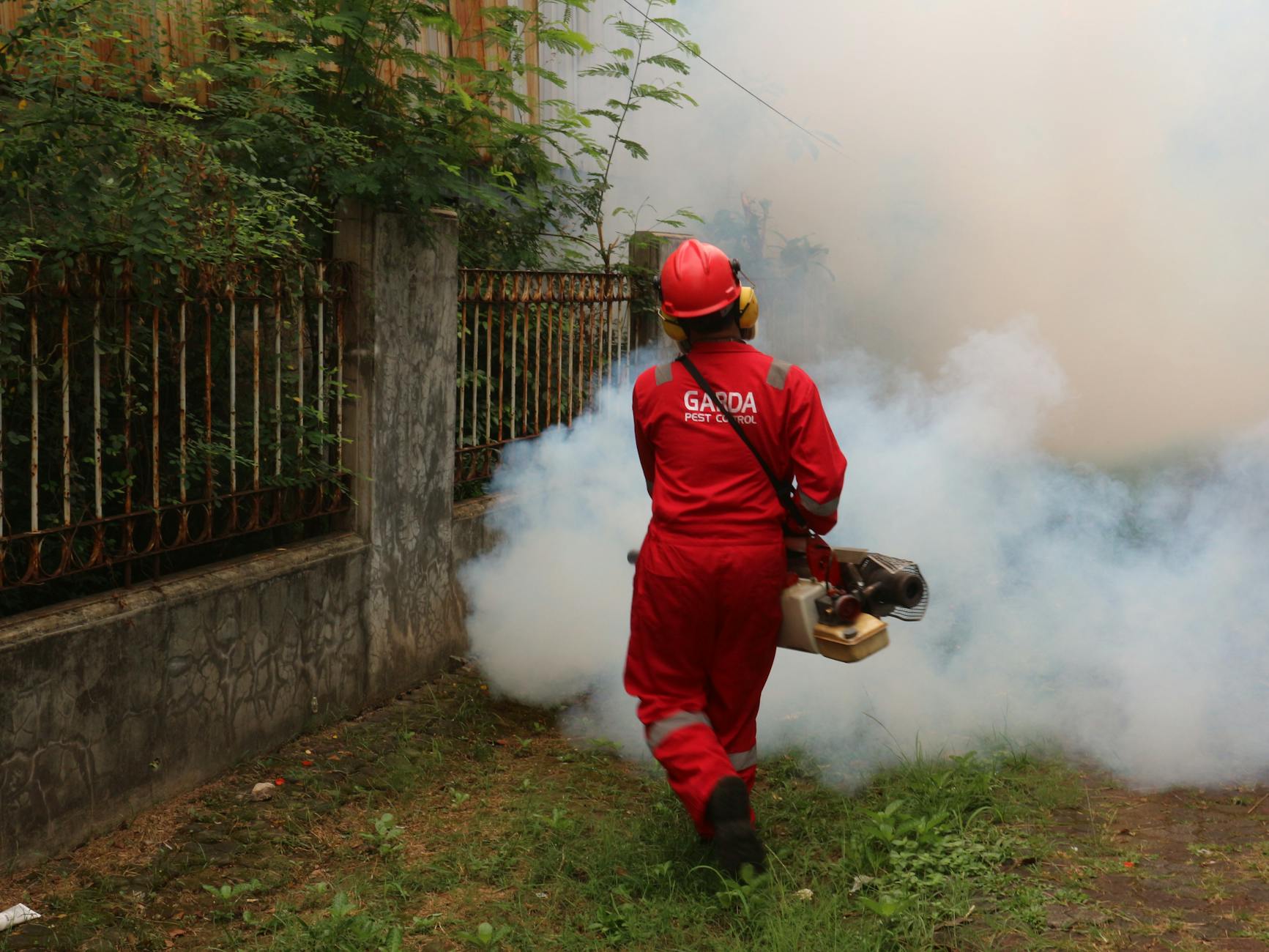
Introduction: Climate as a Catalyst for Infestations
Summer 2026 confirms a strong trend observed for several years: the intensification of heatwaves is profoundly altering pest dynamics in urban and suburban environments. When temperatures soar—as highlighted by recent alerts from the Agence régionale de santé (ARS) Île-de-France regarding heatwave protection—it is not only human health that is put to the test, but also the sanitary balance of our homes.
Extreme heat acts as a biological accelerator. For the majority of insects, metabolism is linked to ambient temperature: the hotter it gets, the faster their reproduction cycle accelerates and the more critical their need for resources (water and food) becomes. This phenomenon pushes pests to migrate from outdoor spaces to the interior of buildings in search of coolness and humidity, thus transforming an environmental problem into a domestic crisis.
Why Do Heatwaves Favor Pests?
Understanding biological mechanisms is essential for better prevention. Proliferation is not random, but rather an adaptive response of several species to thermal stress.
Acceleration of the Biological Cycle
Most pest insects are ectotherms, meaning their body temperature depends on the environment. During a heatwave, larval growth is drastically shortened. A species that usually required three weeks to move from one stage to another may do so in ten days during a heat peak. This phenomenon creates a "snowball effect" where populations increase exponentially in just a few weeks.
The Desperate Quest for Resources
Water becomes the most precious resource. Rats, cockroaches, and ants are driven to explore areas they previously ignored. A simple dripping faucet, air conditioner condensation, or a poorly drained flower pot become strategic rallying points.
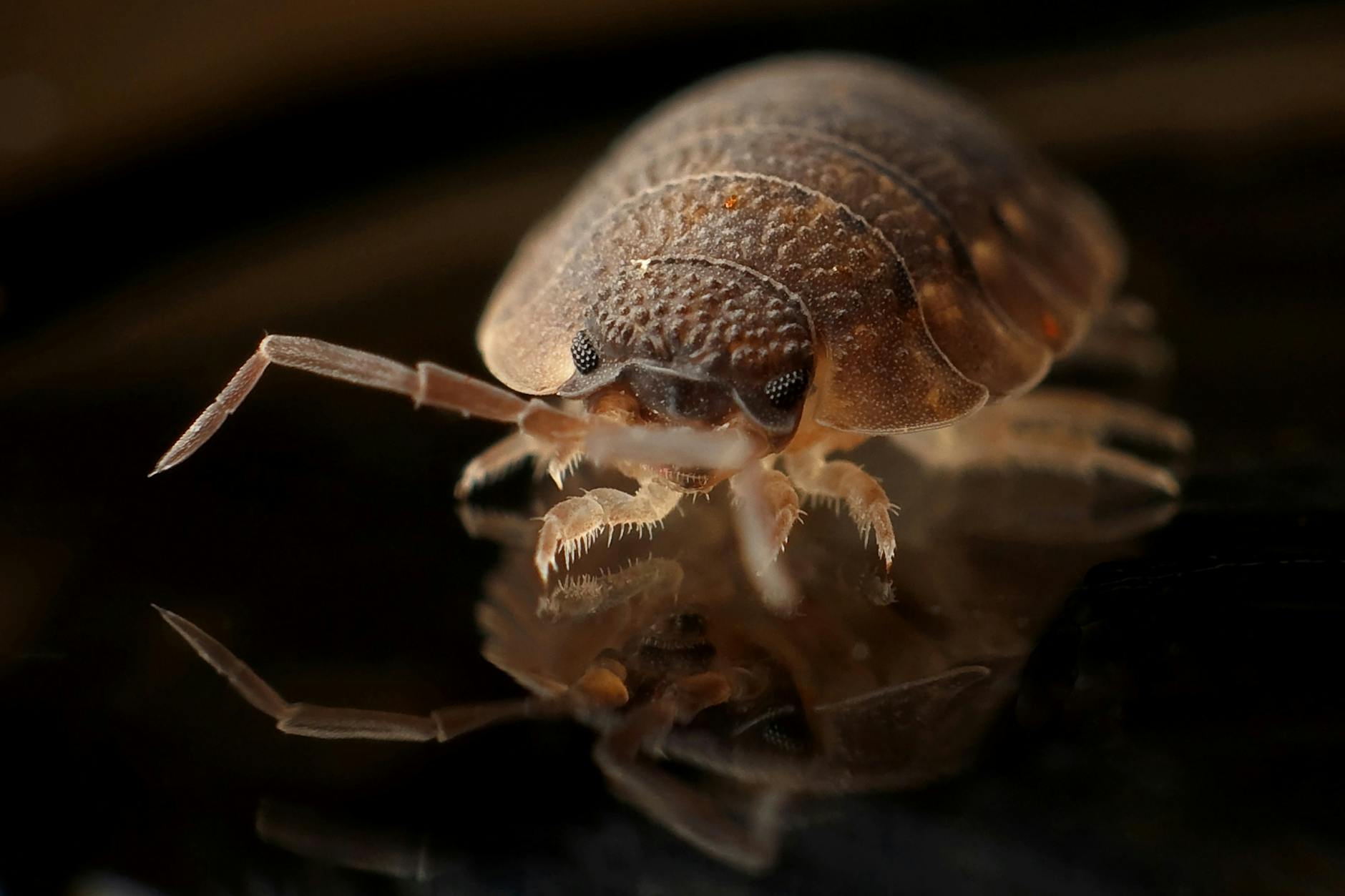 Insect seeking moisture on a wall
Changes in Human Behavior
Heatwaves also modify our habits: we leave windows open more often at night, use air conditioning more frequently (creating cool, damp conduits), and manage organic waste differently. This waste decomposes much faster under the heat, attracting flies and rodents.
Priority Pests During Summer 2026
Certain species are particularly active or problematic during periods of extreme heat.
Cockroaches
These insects love heat and humidity. Heatwaves push them out of pipes to colonize kitchens and bathrooms. The health risk here is major, as they carry bacteria and allergens in an environment where food preservation is already compromised by the temperature.
Ants
Water stress pushes ant colonies to expand. There is an increase in incursions into homes, not only for food but specifically for access to water points. Invasive species, such as those recently reported in Île-de-France, take advantage of these conditions to establish themselves permanently.
Rodents (Rats and Mice)
While rats are less sensitive to temperature peaks than insects, heatwaves impact their environment. Dry soil can push them to seek stable water sources inside buildings, particularly through sewage networks. Furthermore, the rapid decomposition of household waste in outdoor bins creates an irresistible olfactory signal for rodents.
Prevention Strategies: How to Protect Your Home
In the face of these risks, curative reaction (treatment) must be preceded by a rigorous preventive strategy. The goal is to make your home "hostile" to pests.
Rigorous Moisture Management
This is the most effective lever. During a heatwave, every drop of water is an invitation for an insect.
| Zone | Preventive Action | Goal |
|---|---|---|
| Kitchen | Repair leaking faucets and fridge seals | Remove watering points |
| Bathroom | Wipe down wet surfaces after use | Prevent cockroach settlement |
| Exterior | Empty plant saucers and water containers | Limit mosquito reproduction and ant attraction |
| Basement/Garage | Check for standing water | Prevent the creation of damp nests |
Optimizing Waste Management
Heat accelerates the fermentation of organic waste. A leaking trash bag or a poorly closed bin becomes an infestation hub within a few hours.
- Frequent Cleaning: Disinfect your trash bins with appropriate products to eliminate organic residues.
- Sealing: Use trash cans with airtight lids.
- Strict Sorting: Avoid leaving food scraps accessible in common areas of apartment buildings.
 Cleaning and organizing an indoor space to avoid pests
Securing Access Points
The reflex to open windows for ventilation is beneficial for humans but risky regarding insects. Installing screens is a doubly effective solution: it protects against tiger mosquitoes (vectors for diseases like Chikungunya, for which France is becoming a risk zone) and prevents flies and small flying insects from entering.
The Professional Approach: When and How to Intervene?
There comes a point where prevention measures are no longer enough, especially when the infestation has started in the common areas of a building or at a neighbor's home. The intervention of an expert in pest control and rodent removal then becomes indispensable.
Recognizing the Critical Moment
You should not wait until the infestation is visible to the naked eye in broad daylight. The first warning signs are often subtle:
- Presence of small black dots (cockroach droppings) in cupboard hinges.
- Unusual sweet or musky odors in corners.
- The isolated appearance of an insect in a room where it doesn't belong.
- Gnaw marks on food packaging.
Choosing a Certified Provider
As we have highlighted in our previous guides, pest control is a regulated activity. During heatwaves, demand explodes, and some unqualified operators may offer quick but dangerous solutions.
It is imperative to ensure that the company holds the Certibiocide certification. The use of non-approved or poorly dosed products—especially during high heat when the volatility of chemical substances is increased—can pose toxic risks to residents and pets. ANSES regularly reminds the public that chemical self-medication against pests is often counterproductive and dangerous.
The Integrated Method (IPM)
A serious professional will not simply "spray poison." They will adopt Integrated Pest Management (IPM):
- Diagnosis: Precise identification of the species and entry points.
- Mechanical Action: Sealing cracks and installing mesh.
- Targeted Action: Use of bait gels or pheromone traps, minimizing the use of volatile products.
- Monitoring: Implementation of a control calendar to prevent re-infestation.
 Expert technician inspecting a home
Conclusion: Increased Vigilance for a Peaceful Summer
The 2026 heatwave reminds us that public sanitation is a permanent and evolving battle. Climate change does more than raise the thermometer; it redraws the map of health risks by favoring the migration and multiplication of pests.
The key to a protected home lies in anticipation. By combining rigorous hygiene, intelligent water management, and the use of certified professionals, it is possible to limit the impact of pests and enjoy the summer in complete safety. Prevention remains the most effective weapon: it is better to seal a crack today than to have to treat a massive infestation tomorrow.
Got a pest problem?
Our certified technicians are available 7 days a week. Free quote within 24h.
Read also
- Firewood Brought Indoors in October: The Trojan Horse for Longhorn Beetles, Bark Beetles, Carpenter Ants and Field MiceRead the article
- Clothes Moths: Why October Is the Month They Ruin the Woollens You've Just UnpackedRead the article
- Moving House in October Without Taking the Pests With You: The Protocol for Boxes, Furniture and AppliancesRead the article