


Introduction: The Home, First Line of Defense or Primary Vector
Recent events, marked by reports of unsanitary conditions in student housing in Metz or public health alerts in Le Havre, remind us of a fundamental truth: housing is not just a roof over one's head; it is a sanitary barrier. When this barrier crumbles, it becomes a bridge for pest species.
In the summer of 2026, where extreme heat accelerates the decomposition of organic matter and promotes the rapid reproduction of insects and rodents, the issue of public sanitation becomes crucial. Unsanitary conditions are not merely a lack of maintenance; they are defined by a state of housing that can jeopardize the health or safety of its occupants. In this context, pest proliferation is never an accident, but a symptom of a structural or hygienic breakdown.
 Degraded and unsanitary housing
The Vicious Cycle: Unsanitary Conditions → Pests → Pathologies
There is a destructive synergy between the degradation of a building and a parasitic invasion. This cycle is self-sustaining, making curative intervention complex if it is not accompanied by bringing the structure up to standard.
Structural Attraction Factors
Unsanitary housing generally presents three characteristics that irresistibly attract pests:
- Persistent Humidity: Unrepaired water leaks, seepage, or condensation problems create damp micro-habitats. This is paradise for cockroaches and silverfish, and a key factor in the development of molds that feed certain insects.
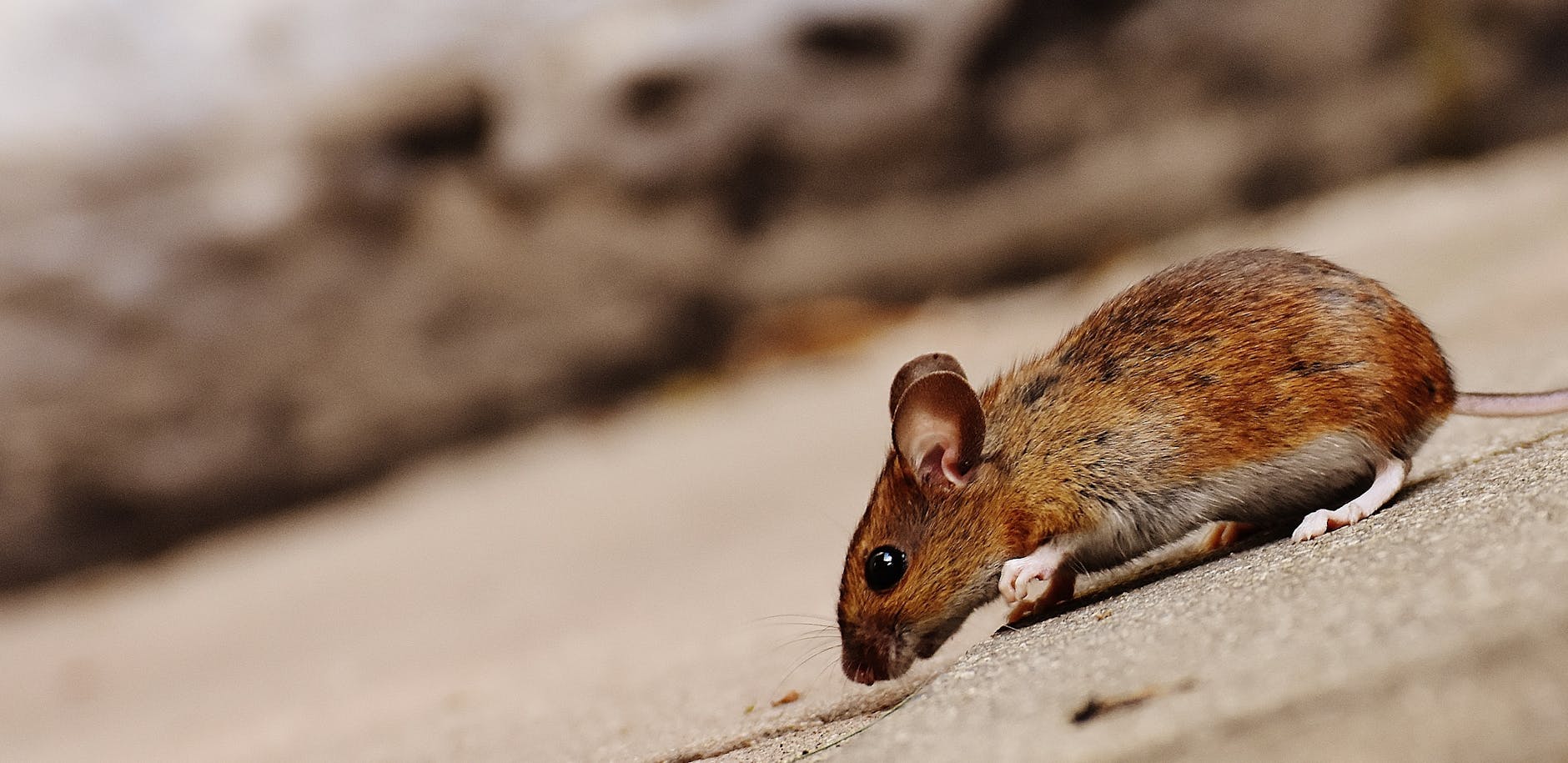
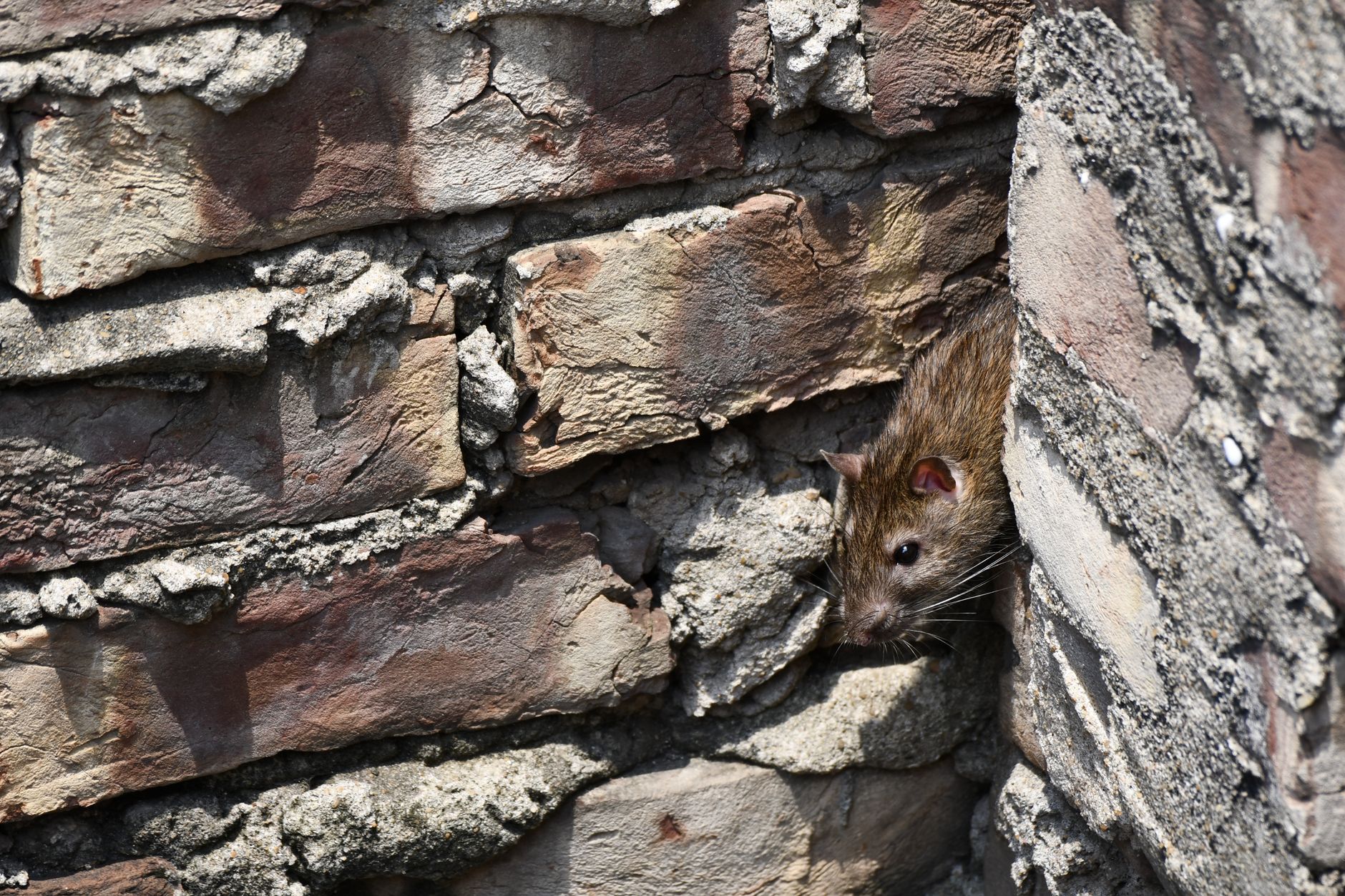
- Sealing Defects: Cracks in walls, peeling baseboards, worn window seals, or poorly sealed pipes. These "highways" allow rodents and cockroaches to move freely between apartments and common areas.
- Waste Accumulation: A lack of waste management, whether due to collection issues or hoarding syndrome, provides an inexhaustible food source.
Public Health Risks
Unsanitary conditions coupled with pests expose occupants to serious health risks, documented by organizations such as Ameli or ANSES. We are no longer talking about mere nuisance, but actual pathologies:
- Allergies and Asthma: Cockroach droppings and mold particles are powerful allergens, particularly dangerous for children.
- Zoonoses: The presence of rats in unsanitary environments drastically increases the risk of leptospirosis, especially during heavy rains or urban flooding.
- Dermatoses: Bedbugs, omnipresent in precarious and poorly insulated housing, cause severe skin reactions and psychological stress that can lead to chronic insomnia.
Legal Framework and Responsibility: Who Must Act?
When faced with an infested and unsanitary home, the question of responsibility is often a source of conflict between tenants and landlords. However, French regulations are clear on the concept of "decent housing."
The Obligation of Decency
The landlord is required to provide the tenant with housing that presents no obvious risks to health. This includes the absence of pests if the infestation is due to the state of the building (e.g., structural cracks allowing rats to enter).
However, an important nuance exists: if the infestation results from a manifest lack of hygiene by the occupant, responsibility may shift to the tenant. This is where the expertise of a professional pest control and rodent control specialist is crucial to determine the origin of the infestation (structural vs. behavioral).
The Role of Authorities
If a deadlock occurs, several levers can be activated:
- The Municipal Hygiene and Health Service (SCHS): It can intervene to certify unsanitary conditions and draw up an official report.
- The ARS (Regional Health Agency): It intervenes on larger-scale public health issues.
- Peril or Insalubrity Procedures: These allow authorities to compel the landlord to carry out work under penalty.
 Technical inspection of a building
Exit Strategies: How to Sustainably Sanitize a Habitat
Treating pests in an unsanitary environment without treating the unsanitary conditions themselves is a strategic error. It is like trying to mop up water from an overflowing bathtub without turning off the tap.
1. The "Structural Cleaning" Phase
Before any chemical treatment, it is imperative to remove the pests' resources:
- Drying: Repair all leaks and ventilate damp rooms.
- Decluttering: Remove cardboard, old newspapers, and bulky items that serve as nests for cockroaches and spiders.
- Waste Management: Implement airtight bins and systematically clean storage areas.
2. Proofing
This is the most neglected but most effective step. It involves making the home "watertight" to pests:
- Plug holes around heating and plumbing pipes with steel wool or specialized sealant.
- Install door sweeps and window screens.
- Repair cracks in exterior walls.
3. Targeted and Rational Treatment
Once the environment is sanitized, professional intervention takes place. Rather than massive and indiscriminate spraying (often ineffective and toxic), the preference today is for:
- Bait Gels: Very effective against cockroaches, they work via a domino effect without polluting the indoor air.
- Rational Rodent Control: Using secured bait stations to avoid any contact with pets or children.
- Heat Treatment: For bedbugs, especially in housing where chemicals are prohibited for health reasons.
 Professional cleaning of a space
Summary Table: Symptom → Cause → Solution
| Sign of Infestation | Likely Unsanitary Cause | Priority Corrective Action |
|---|---|---|
| Cockroaches | Humidity, crumbs, poorly sealed conduits | Leak repair + Bait gel + Proofing |
| Rats/Mice | Wall cracks, outdoor waste, open basements | Proofing access + Waste management + Rodent control |
| Bedbugs | Overcrowding, used furniture, lack of ventilation | Heat treatment + Decluttering |
| Silverfish | Excess humidity, peeling wallpaper | Dehumidification + Ventilation + Targeted treatment |
Conclusion: Toward a Culture of Sanitary Prevention
Unsanitary conditions are not an inevitability, but they are the fertile ground for all pest invasions. The summer of 2026 shows us that climate change is accelerating the biological cycles of parasites, making vigilance even more necessary.
The fight against pests should no longer be seen as a simple "cleaning" operation, but as a global public health approach. Whether it is student housing, social residences, or individual homes, investment in structural maintenance and hygiene is the only way to avoid costly, toxic, and often temporary curative treatments. Sanitation is the best insecticide.
Got a pest problem?
Our certified technicians are available 7 days a week. Free quote within 24h.
Read also
- Firewood Brought Indoors in October: The Trojan Horse for Longhorn Beetles, Bark Beetles, Carpenter Ants and Field MiceRead the article
- Clothes Moths: Why October Is the Month They Ruin the Woollens You've Just UnpackedRead the article
- Moving House in October Without Taking the Pests With You: The Protocol for Boxes, Furniture and AppliancesRead the article