

Introduction: The Summer City Paradox
As we navigate an August 2026 marked by persistent heatwaves, the urban landscape is transforming. While terraces and parks are crowded, a more insidious phenomenon is unfolding in the shadows of alleys and at the foot of buildings: the acceleration of the household waste decomposition cycle. Extreme heat does more than exhaust human organisms; it acts as a biological catalyst for pest species.
Public sanitation, often perceived as a simple matter of cleaning, becomes a major environmental health issue during periods of high heat. When temperatures exceed 30°C, the organic matter in our bins undergoes rapid fermentation, releasing volatile compounds (odors) that act as pheromone signals for a multitude of parasites. From cockroaches to rats, as well as flies and ants, the city becomes an open-air buffet.
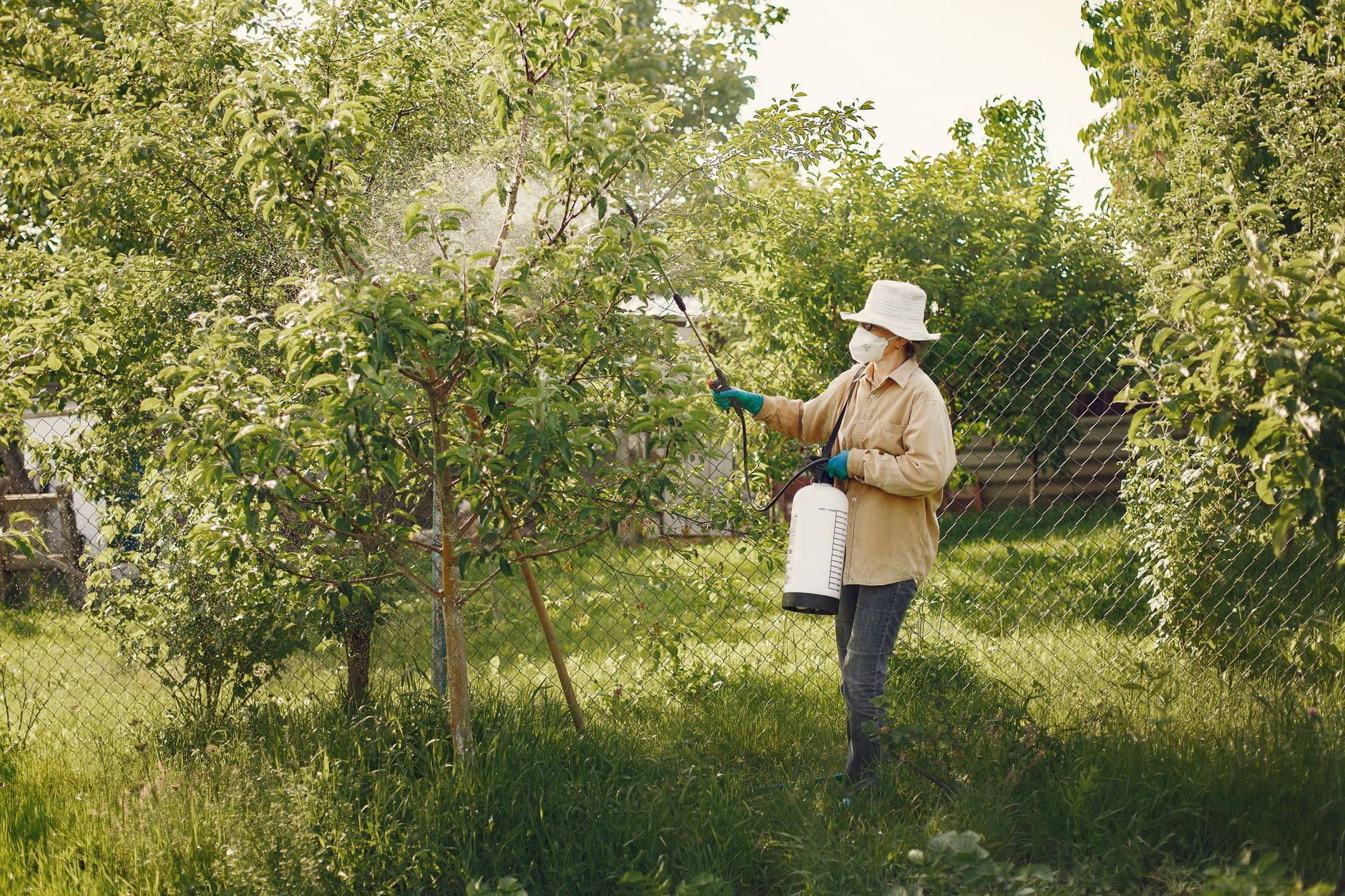 Urban waste containers under an intense city sun
The Chemistry of Attraction: Why Heat Changes Everything
To understand why the summer of 2026 is particularly critical, we must analyze the interaction between temperature and organic matter.
Accelerated Putrefaction
Under normal conditions, organic waste decomposes slowly. However, during a heatwave, aerobic and anaerobic bacteria become hyperactive. This process produces gases and exudates (the infamous "bin juice") that seep into the ground or accumulate at the bottom of bins. These fluids are extremely attractive to pests because they are rich in nutrients and sugars.
Amplified Olfactory Signals
Evaporation is increased by the heat. Odorous molecules diffuse faster and further through the air. A slightly punctured trash bag, which would go unnoticed in October, becomes a magnetic signal for a rat or a cockroach colony in the middle of August. This phenomenon creates infestation "hotspots" around collection areas, which then serve as rear bases for invading neighboring homes.
The Invaders: Who Profits from Our Waste?
The urban pest ecosystem is structured according to available resources. Waste management is the central pillar of their survival.
Rodents: Opportunistic and Tactical
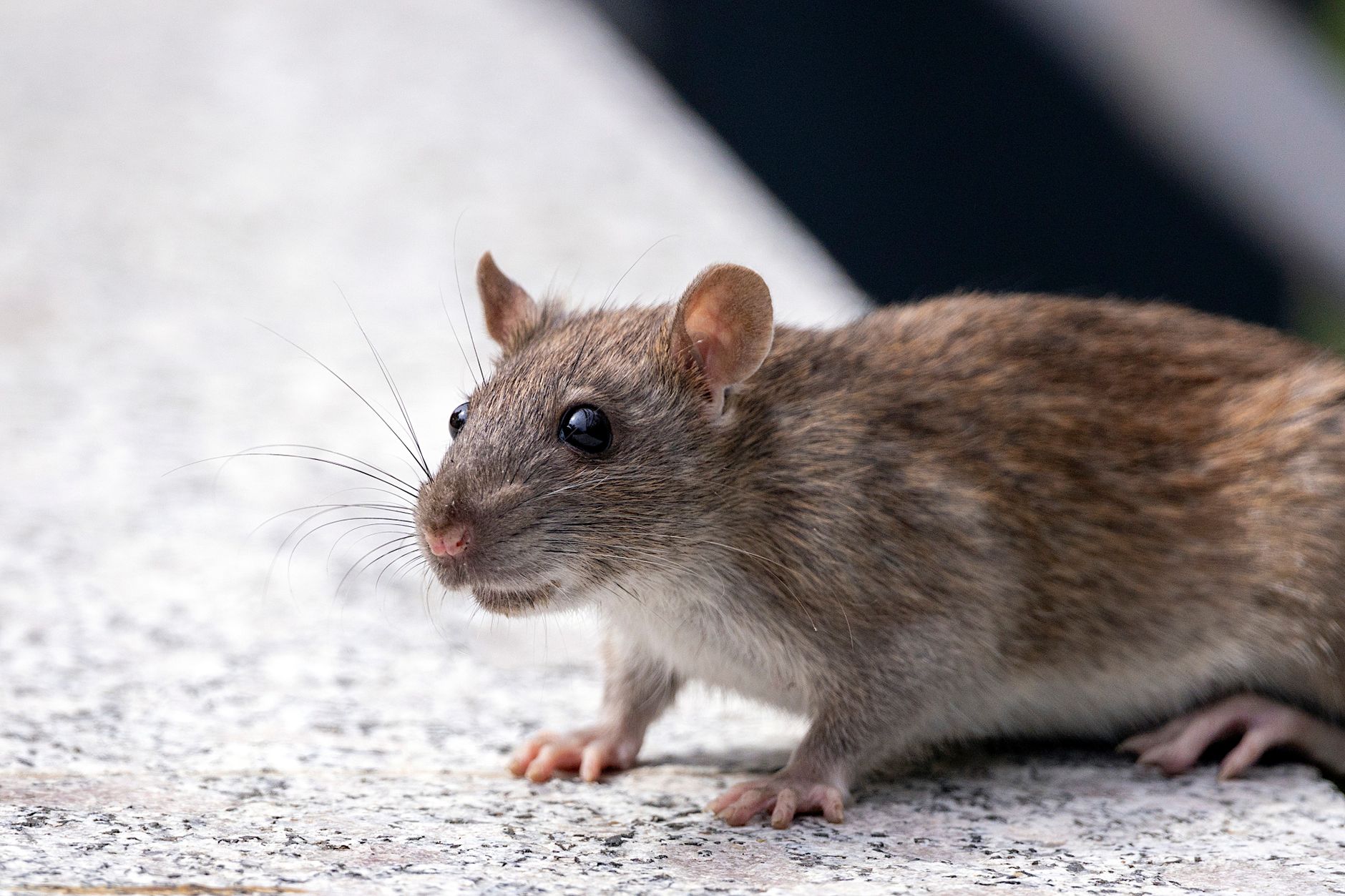
The brown rat (Rattus norvegicus) is an expert in urban survival. In summer, its search for water and fresh food pushes it to explore new areas. Poorly closed sorting bins or bags left outside containers are priority targets. Once a food source is identified, the rodent uses piping networks and structural cracks to settle in immediate proximity to its food source.
Insects: Exponential Multiplication
The insect reproduction cycle is temperature-dependent. The hotter it gets, the faster they reproduce:
- Cockroaches: They love the humidity of bin exudates and the heat of sun-drenched walls.
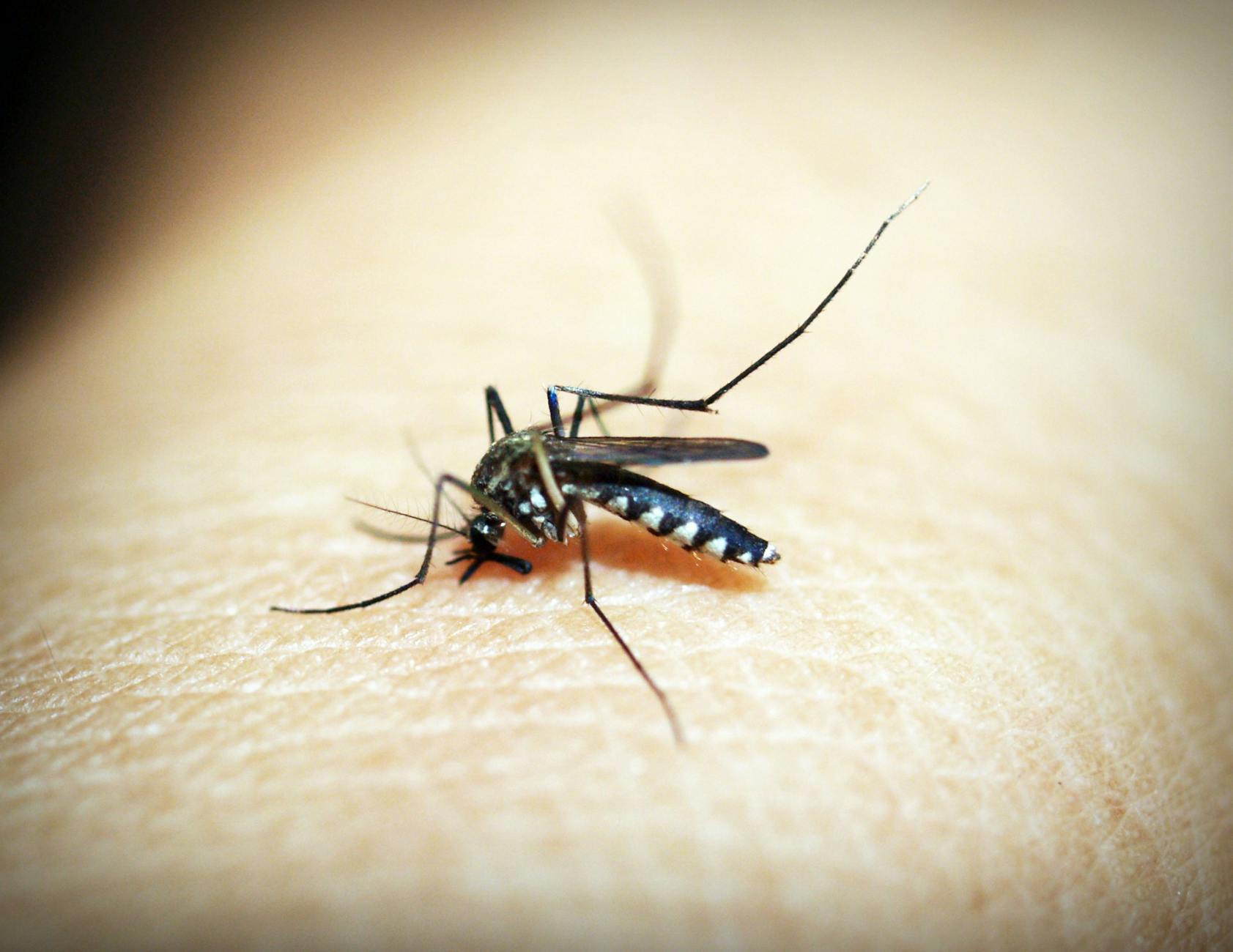
- Flies and Gnats: They are attracted by the fermentation of organic waste, laying their eggs in decomposing matter, leading to proliferation cycles in just a few days.
- Ants: They organize into massive colonies to exploit sugary residues left on sidewalks or in poorly rinsed recycling bins.
 Mixed plastic and organic waste
Health Risks and Public Sanitation
The accumulation of waste and the concomitant presence of pests are not just visual or olfactory nuisances; they represent a real risk to public health, as regularly reminded by organizations such as ANSES or Santé publique France.
Transport of Pathogens
Pests act as mechanical vectors. A cockroach or fly that has crawled over decomposing waste can transport bacteria (Salmonella, E. coli) directly onto your countertops or food.
Risk of Infection
The proliferation of rats around waste zones increases the risk of zoonotic diseases. Although leptospirosis is often associated with standing water, the massive presence of rodents in dense urban areas, accentuated by poor garbage management, multiplies the potential contact points between humans and rat urine.
| Pest | Risk Vector | Summer Attraction Factor |
|---|---|---|
| Rat | Leptospirosis, Salmonellosis | Open trash bags, accessible food |
| Cockroach | Allergies, Asthma, Bacteria | Waste humidity, conduit heat |
| Fly | Gastroenteritis, Fevers | Fermenting organic matter |
| Ant | Structural nuisance | Sugary residues, poorly cleaned packaging |
Prevention Guide: How to Break the Cycle
To prevent your home or business from becoming an extension of the pests' hunting ground, rigorous waste management discipline is essential, especially during the summer of 2026.
For Individuals
- Absolute Airtightness: Use bins with airtight lids. Avoid thin plastic bags that are easily pierced by rodent teeth.
- Cleaning Containers: Systematically rinse your recycling packaging (tin cans, yogurt pots). Food residue is the primary bait.
- Timing Management: Only put out your waste at the time of collection. Leaving bags on the sidewalk for several hours in 35°C heat is an open invitation to pests.
- Responsible Composting: If you have a composter, ensure it is closed and do not add animal proteins (meat, fish), which irresistibly attract rats.
For Professionals and Co-ownerships
- Maintenance of Waste Rooms: Regular cleaning with a water jet and disinfectant products is crucial to eliminate organic exudates on the floor.
- Securing Access: Install door sweeps and seal pipe passages to prevent pests from entering the building from the waste storage area.
- Awareness: Inform occupants about the importance of not leaving waste outside the bins.
 Cleaning an urban space
When to Call a Pest Control Expert?
Despite all preventive measures, an infestation can take hold, especially in dense urban areas where the problem often stems from neighbors or sewers.
Warning Signs
It is time to act when you observe:
- Gnaw marks on your packaging or electrical cables.
- Rodent droppings (small black grains) along baseboards or behind household appliances.
- The presence of cockroaches in broad daylight (a sign that hiding spots are saturated and the colony is large).
- A persistent ammonia smell in your storage areas.
The Professional Approach
A curative intervention is not limited to setting traps. An expert will analyze entry points, identify sources of attraction, and implement an integrated pest management plan. This includes the use of specific bait gels for cockroaches or secure rodent stations, while respecting current health and environmental standards (ANSES recommendations).
Conclusion: Sanitation as a Collective Responsibility
Fighting pests during a heatwave is not solely the responsibility of municipal cleaning services or pest control companies. It is a collective effort. Every poorly closed trash bag, every unrinsed tin can, contributes to feeding a parasitic ecosystem that eventually impacts us all.
In this summer of 2026, let us remember that urban hygiene is our first line of defense. By reducing the resources available to pests, we mechanically reduce their population and the associated health risks. Prevention remains, today more than ever, the most effective and sustainable weapon for living in a healthy environment.
Got a pest problem?
Our certified technicians are available 7 days a week. Free quote within 24h.
Read also
- Firewood Brought Indoors in October: The Trojan Horse for Longhorn Beetles, Bark Beetles, Carpenter Ants and Field MiceRead the article
- Clothes Moths: Why October Is the Month They Ruin the Woollens You've Just UnpackedRead the article
- Moving House in October Without Taking the Pests With You: The Protocol for Boxes, Furniture and AppliancesRead the article