

When we step into a professional kitchen following an administrative closure, the observation is almost always the same: the restaurateur is genuinely shocked. "I clean every day, I didn't see anything," they tell us. That is precisely the trap. In the restaurant business, the absence of visible pests does not mean the absence of an infestation. It simply means the pests have found a perfect balance between their nesting areas and their feeding zones.
Recent news, including restaurant closures in Val-d'Oise or retail chains like Aldi, serves as a brutal reminder: the prefecture and health services no longer distinguish between a "small presence" and a massive infestation. As soon as a health risk is proven, the closure is immediate. In 2026, with the increase in inspections and the virality of social media, a single photo of a cockroach in a kitchen corner can destroy ten years of reputation.
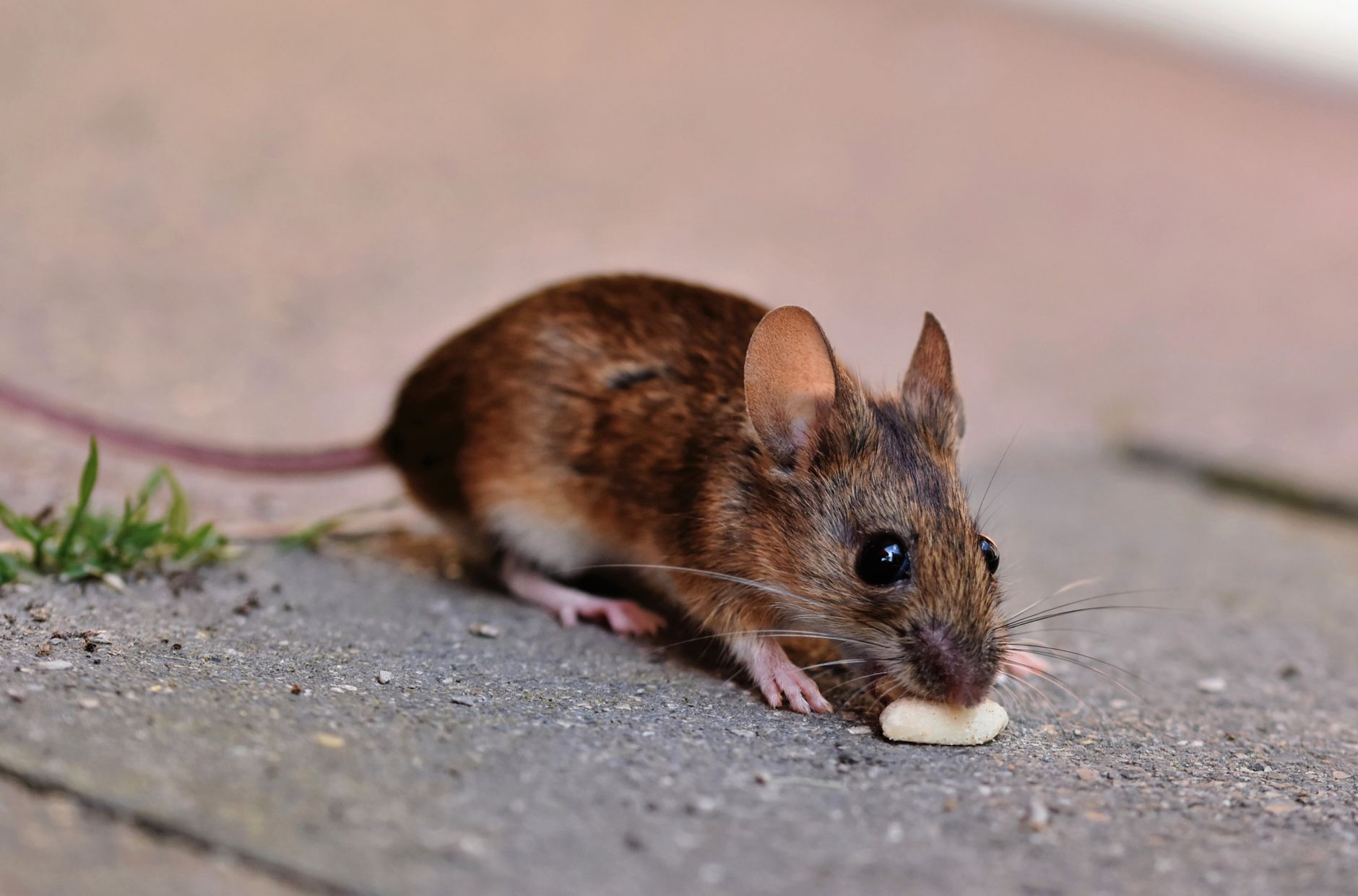 A brown mouse eating a small piece of food on a concrete floor.
The Anatomy of a Professional Infestation: Beyond Cleanliness
We need to break a myth: rats and cockroaches don't come because it's "dirty." They come because there are resources. A professional kitchen is, by definition, a paradise for pests: constant heat, omnipresent humidity, and unlimited access to calories.
The Critical Triangle: Access, Food, Shelter
For a colony to establish itself permanently, it needs three elements. If you remove just one, the infestation collapses. But in the majority of establishments, all three are present without the manager even realizing it.
- Access: This isn't necessarily an open door. It's a poorly sealed cable passage, a worn door seal, or a water drain without a fine mesh. A rat can fit through a hole the size of a 2-euro coin.
- Food: This isn't just plate scraps. It's the flour that has accumulated under a cabinet, a slightly punctured bag of potatoes, or even grease residue in extraction ducts.
- Shelter: This is where the problem lies. Pests seek thigmotaxis (physical contact with walls). The empty spaces under stainless steel furniture, dropped ceilings, and cold room insulation are ideal dormitories.
To limit risks, installing airtight containers for dry stock is an indispensable first step. Using an industrial vacuum for hard-to-reach areas also helps eliminate invisible food sources.
| Pest | Preferred Entry Point | Nesting Zone | Warning Sign |
|---|---|---|---|
| German Cockroach | Cardboard deliveries | Fridge motors, oven seals | Small black droppings (pepper grains) |
| Brown Rat | Pipes, door bottoms | Sanitary voids, dropped ceilings | Grease marks along walls, gnaw marks |
| Mouse | Wall cracks, baseboards | Dry storage, grain bags | Cylindrical droppings, punctured packaging |
Flow Management: The Weak Link in Prevention
One of the most frequent mistakes in the restaurant industry is focusing solely on the interior of the premises. However, infestations often arrive from the outside, carried by logistics.
The Danger of Delivery Boxes
Packaging cardboard is the #1 vector for German cockroaches. Oothecae (cockroach egg cases) are glued to the creases of the cardboard. When the delivery driver drops boxes in your storage area, they are potentially dropping an entire colony.
The golden rule should be simple: unpack immediately and move cardboard outside. Keeping piles of empty boxes in a storeroom is like offering a five-star hotel to pests. To secure these areas, using an infrared thermometer can help identify the hot spots where insects like to cluster.
 A red and black bug and an ant on green flower buds.
The Regulatory Framework and the Control Plan (HACCP)
In France, the HACCP (Hazard Analysis Critical Control Point) method mandates rigorous management of health risks. Pest control is not an option; it is a legal obligation.
The Pest Control Contract: Protection or Just Paper?
Many restaurateurs settle for a monthly visit contract where the technician places a few dots of gel and leaves. This is a strategic error. An effective control plan must be dynamic:
- Mapping of Critical Points: Identify every entry point and every risk zone.
- Traceability: Maintain a precise register of interventions and products used (in accordance with ANSES recommendations).
- Corrective Action: If bait is consumed, the technician should not just replace it; they must explain why the rat passed through there and ask the restaurateur to seal the breach.
To maintain surface hygiene, using professional disinfectant wipes helps limit organic residues that attract insects between full cleanings.
How to React to an Imminent or Positive Sanitary Inspection?
If you suspect a presence or have received a warning, panic is your worst enemy. The massive use of spray insecticides just before the inspector arrives is not only ineffective, but it is often detected and perceived as an attempt to conceal the problem.
The Shock Strategy
- Flash Audit: Empty everything. Move the furniture. Look behind refrigerator motors. If you see a cockroach in broad daylight, the colony is already saturated.
- Immediate Sealing: Use caulk or expanding foam to close all access points. A "watertight" restaurant is a protected restaurant.
- Targeted Treatment: Prioritize professional bait gels, which are far more effective and less toxic than foggers, which often disperse pests into the walls without killing them.
For those wishing to reinforce their surveillance, installing pheromone glue traps allows for the detection of insects long before they become visible to the naked eye.
 A red and black striped bug perched on green leaves.
Conclusion: Pest Control as an Investment, Not a Cost
An administrative closure costs infinitely more than a rigorous prevention contract. Between the loss of revenue, forced disinfection costs, and the impact on brand image, the risk is disproportionate.
The key to success lies in the collaboration between the kitchen staff and the pest control expert. The cook is the one who sees the first sign (a dropping, a gnawed package); the expert is the one who knows where to strike to eradicate the source. In 2026, hygiene is no longer just about having a clean floor; it's about managing the invisible.
Got a pest problem?
Our certified technicians are available 7 days a week. Free quote within 24h.
Read also
- Switching the Communal Heating Back On: The Silent Trigger Behind October Infestations in the Paris RegionRead the article
- Oak processionary caterpillars: why the stinging hairs are still dangerous in September 2026Read the article
- Silverfish in the Bathroom: Why Autumn 2026 Brings Them Out and How to Dry the Problem UpRead the article