

In short
A guesthouse combines a hotel's constraints — guest turnover, hygiene duties, exposure to reviews — with those of an old house: roof spaces, cellars, timbers, gardens and outbuildings. The right response is not heavy treatment but a seasonal prevention plan targeting the entry points in the building fabric.
In a guesthouse the relationship with guests is direct and personal: they often share your table, cross paths with your family and occupy rooms in your own home. A pest incident is felt more intimately than in a hotel, and is harder to settle with a simple procedure.
The nature of the building adds to it. Older houses around Paris — stone, timber framing, unconverted roof spaces, vaulted cellars, outbuildings — give rodents, wasps, hornets and wood-boring insects access that a modern block does not have. Prevention counts for even more than treatment.
Older buildings: where pests actually get in
In a house, most of the risk sits at the envelope. Rodents use pipe penetrations, thresholds, ducts and roof spaces; wasps and hornets colonise roof voids, roller-shutter boxes and eaves; wood-boring insects attack roof timbers and floors.
Treating without correcting those entry points means starting again every season. A serious inspection therefore begins with a walk around the fabric, before any talk of products.
- Unsealed pipe and duct penetrations
- Door thresholds and the bottoms of outbuilding and garage doors
- Roof spaces reachable from a tree or a gutter
- Roller-shutter boxes, a classic wasp nest site
- Damp cellars and voids, favourable to cockroaches
- Compost bins, log stores and garden sheds close to the house
Bed bugs: the same risk as a hotel
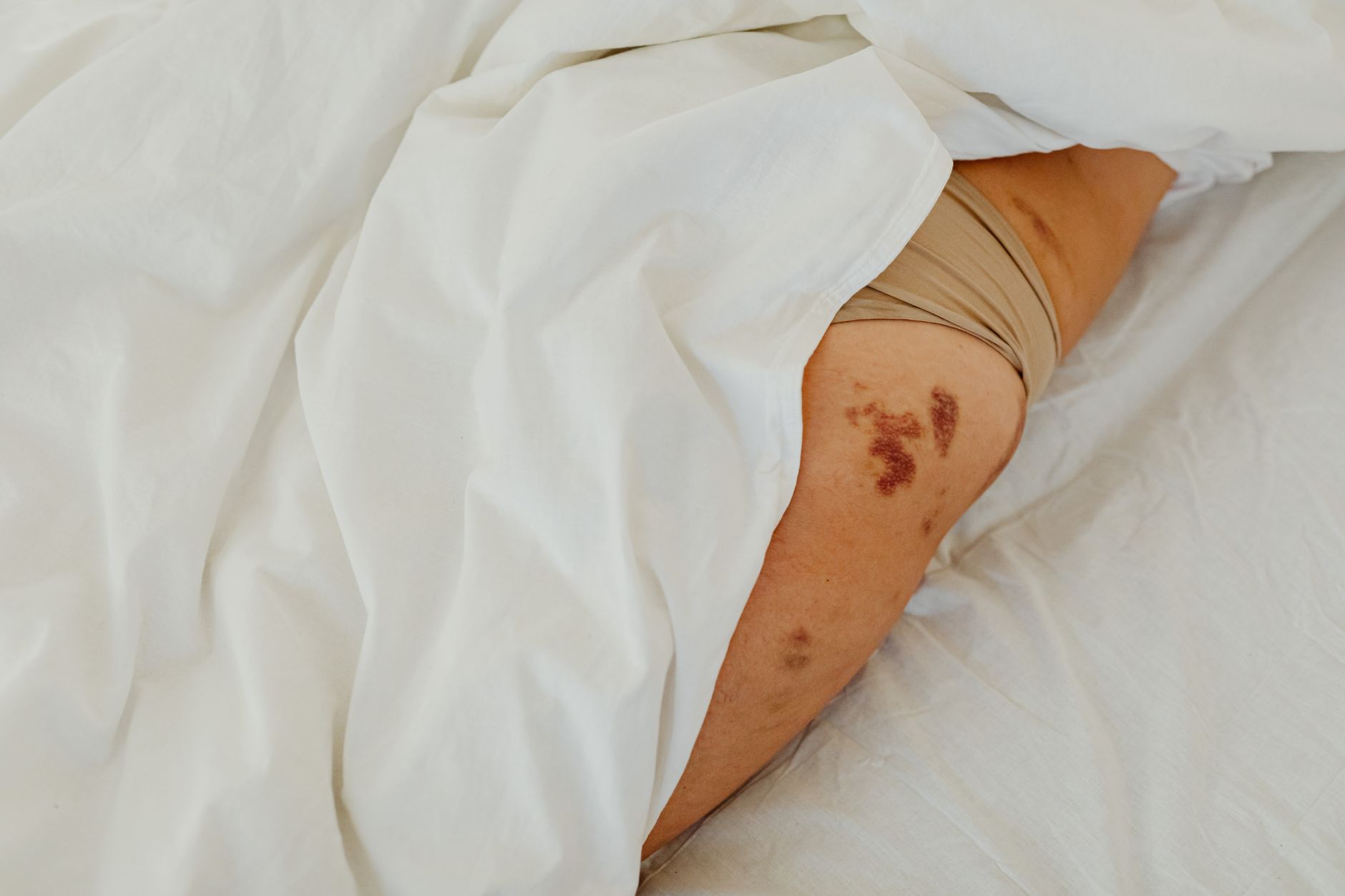
The idea that a small family property is spared is wrong: the vector is the guest's luggage, not the number of rooms. A five-room house hosting 300 stays a year receives as many suitcases as a small hotel.
The effective measures are the same, and easier to apply at small scale: full zipped encasements on every bed, systematic bedding inspection when each guest leaves, linen washed at 60 °C, and divan bases replaced by structures you can actually inspect.
Seasonality: anticipate rather than react
A guesthouse follows a very marked pest calendar. Spring brings ants back into activity and wasp and hornet nests being founded. Summer concentrates mosquitoes, mature nests and peak occupancy. Autumn drives rodents into buildings as temperatures fall.
That rhythm makes low-cost prevention effective: treating young nests in spring avoids emergency call-outs in high season, and sealing entry points before autumn stops rodents settling into the roof space for the whole winter.
Working without disrupting the welcome
An intervention in your home cannot look like a building site. We fit our visits around quiet hours, use unmarked vehicles and plain clothing, favour targeted methods over blanket treatment, and always secure bait points where there are children or animals.
For properties that also serve meals — table d'hôtes, home-made breakfasts — the same food hygiene requirements apply as in a hotel kitchen, and our intervention reports slot into your food safety records.
Your checklist
- Annual walk around the fabric: pipe penetrations, thresholds, roof spaces, shutters
- Full zipped encasements on every bed
- Bedding inspected when each guest leaves
- Preventive treatment of wasp and hornet nests in spring
- Entry points sealed before autumn against rodents
- Log store, compost and bins kept away from the walls
- Food safety records kept up to date if you serve meals
Frequently asked questions
Does a small property really need an annual contract?
Not always a full contract, but one or two scheduled visits a year is often enough to keep a guesthouse under control, particularly in an older building with a garden. We size the arrangement after an initial inspection rather than selling a standard contract.
Is a wasp nest in the roof space urgent?
Yes, as soon as guests pass nearby. A wasp or hornet nest near a terrace, a bedroom window or a walkway needs prompt treatment: the risk of stings engages your liability as an operator.
Are your treatments compatible with a garden and pets?
Yes. Our technicians use secured, closed bait stations positioned out of reach, and favour targeted methods. We always adapt the protocol to the presence of children, pets and vegetable gardens.
Does serving a table d'hôtes change my obligations?
Yes: as soon as you prepare and serve meals, food hygiene rules apply, which includes pest control procedures and documentary traceability. Our intervention reports are designed to fit into that.
A report in your property?
Call us: we give you the immediate steps over the phone, then attend within 24 to 48 hours, discreetly and outside your operating hours.