


Pest control tips & news
Prevention, good habits and expert insights to keep your spaces healthy.

Pharaoh Ants in Apartment Buildings: Why Standard Insecticides Make the Infestation Worse (and What to Do Instead)
A tiny 2 mm yellow ant crossing the bathroom in the middle of winter is not a garden ant. It's a pharaoh ant, a tropical species permanently established in the warm service ducts of apartment buildings — and reaching for the insecticide spray literally multiplies the problem. Here's how to identify it, why it resists, and the only strategy that works.

Feeding neighbourhood birds and cats: the generous gesture that mostly feeds rats (and what the law says)
Every autumn, bird feeders come back out and bowls for free-roaming cats are filled again. It is also the moment when rat and mouse colonies find a stable food supply that carries them through winter and lets them triple their numbers by spring. Here is how to identify this unintentional feeding point, what the regulations really allow, and the practical steps that let you keep feeding animals without sustaining an infestation.

Cockroaches in Apartment Buildings: Why Treating a Single Flat Never Works (and What Service Ducts Reveal)
One flat treated, two neighbours who refuse access, and the infestation is back within six weeks. In a shared building, the German cockroach doesn't live in "your" kitchen: it lives in the service duct connecting every floor. Here's how the mechanism works, what everyone's obligations are, and the only method that genuinely delivers.
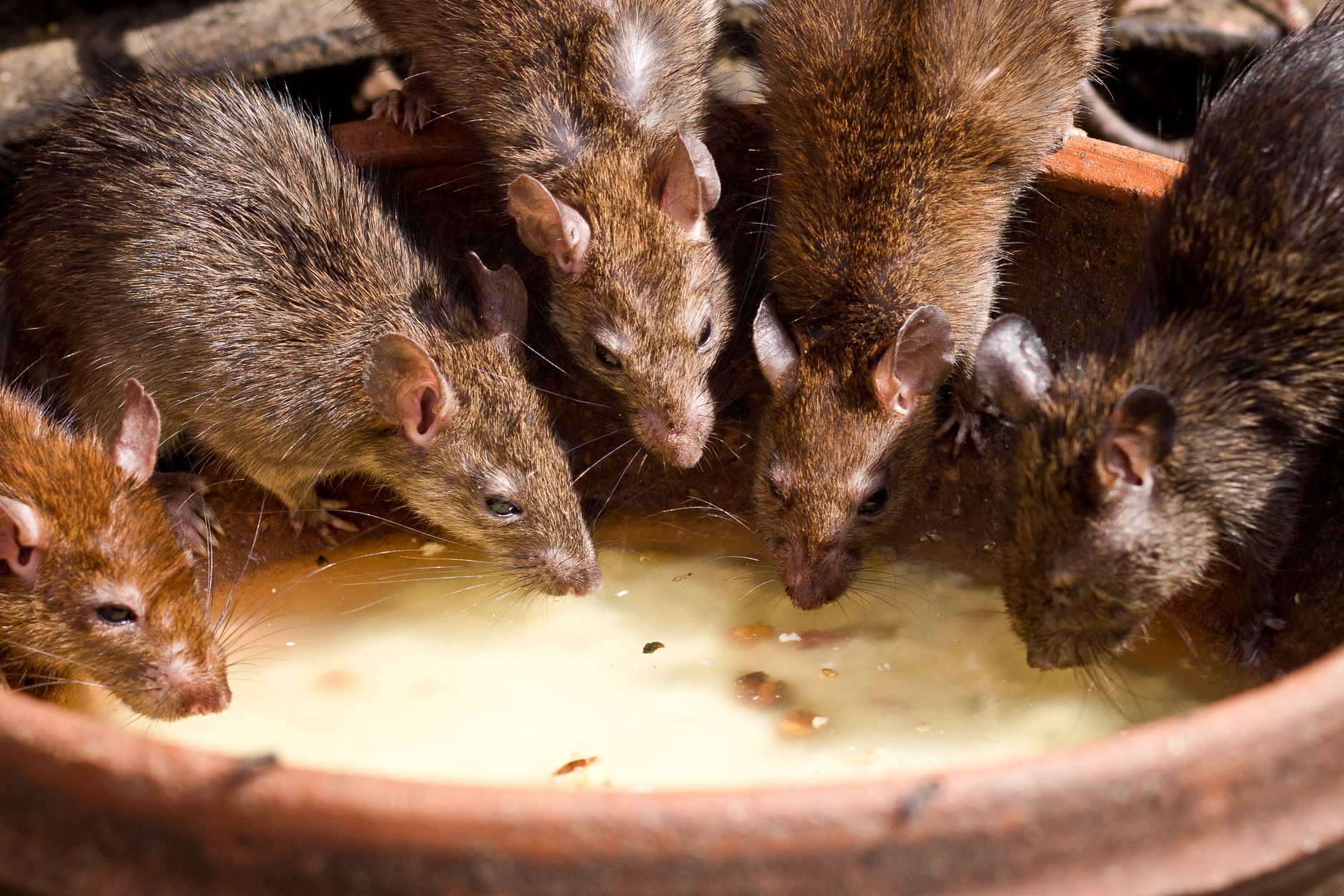
Rodents in the Attic and Insulation: Why October Turns Your Glass Wool Into a Cosy Nest
Every autumn, the same calls come in: "we can hear something running above the ceiling, especially at night." Behind those noises there is almost always an attic colonisation, where glass wool and cellulose wadding offer mice and rats the perfect nest. Here's how to diagnose the problem, gauge the real risks — fire, leptospirosis, allergens — and deal with it at the source.

Ants in the Kitchen in September: Why Autumn Triggers a Second Wave of Invasion
Many households assume ants are a May–June problem. In reality, a second wave hits in September and October, when colonies switch to a sugar-based diet and seek out the warmth of buildings. Here's how to identify the species, where the nest is really hiding, and why squashing workers makes things worse.
Wasps and Hornets in September 2026: Why the End of the Season Is the Most Dangerous (and How to React)
Every year, it's between late August and early October that we receive the most calls about wasp and hornet nests. That's no coincidence: the colony is at its maximum size, food is scarce and the workers become markedly more aggressive. Here's how to identify the species, assess the risk and have a nest removed without putting yourself in danger.